
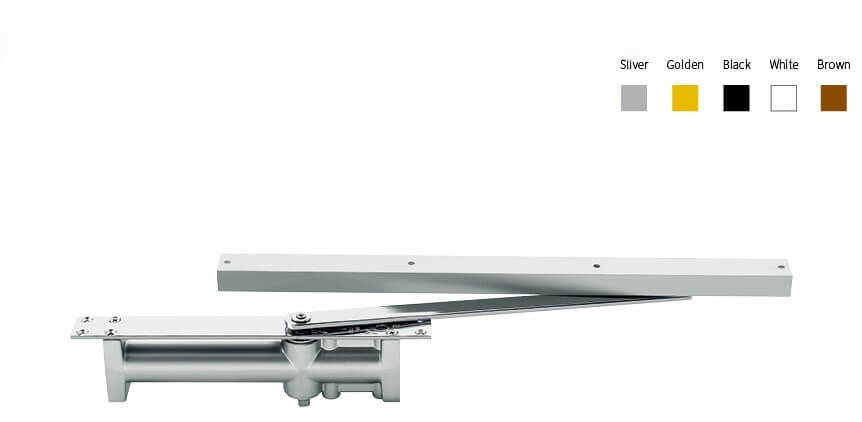
Door closers are an integral part of modern buildings, serving both functional and safety purposes. They ensure doors close securely and operate smoothly, preventing drafts, maintaining privacy, and ensuring compliance with safety standards. However, like any mechanical system, door closers require regular maintenance to remain effective. Neglecting their upkeep can lead to malfunction, safety hazards, and unnecessary costs. This article explores why maintaining door closers is crucial and how to address common issues.
Why Are Door Closers Important?
Door closers are essential for several reasons:
- Safety: They prevent doors from slamming, reducing the risk of injuries.
- Security: Properly functioning door closers ensure doors close and lock securely, deterring unauthorized access.
- Energy Efficiency: By ensuring doors close fully, they help maintain indoor temperatures, reducing energy consumption.
- ADA Compliance: Door closers are crucial for meeting accessibility standards, providing ease of use for individuals with disabilities.
Common Types of Door Closers
Understanding the different types of door closers can help in their maintenance and repair:
- Pneumatic Door Closers:
Operate using air pressure.
Common in screen doors and lightweight applications.
Regular pneumatic door closer maintenance involves checking for air leaks and ensuring smooth operation. - Hydraulic Door Closers:
Use hydraulic fluid for controlled door movement.
Maintenance often requires a hydraulic door closer repair kit to address leaks or refill fluid. - Surface-Mounted vs. Concealed Door Closers:
Surface-mounted closers are visible and easier to access for repairs.
Concealed closers are hidden within the door or frame, offering a cleaner aesthetic but requiring more effort to service.
Common Problems with Door Closers
- Leaking Hydraulic Fluid:
Caused by worn seals, cracks in the closer body, or damage from excessive force.
If left unchecked, leaking fluid can compromise door operation and stain surrounding areas. Refill using the correct door closer oil type, and replace damaged seals using a hydraulic door closer repair kit. - Door Not Closing Properly:
Often results from seasonal swelling of the door due to humidity, incorrect tension adjustments, or misaligned hinges.
Check for obstructions, ensure hinges are secure, and adjust closing speed or pressure using the door closer’s settings. - Ghost Doors:
Doors that swing open by themselves can be caused by improper installation, uneven flooring, or imbalance in the door closer’s backcheck setting.
Reinstall the closer correctly or adjust its internal mechanisms to stabilize door movement. - Squeaky Door Closers:
Noise may stem from dirt accumulation, lack of lubrication, or worn-out internal parts.
Regularly clean the closer and apply lubricant to moving components. If the noise persists, inspect for wear and replace necessary parts.
Caused by dirt, lack of lubrication, or worn components.
How to Maintain a Door Closer
Regular maintenance can significantly extend the life of a door closer. Effective maintenance not only ensures smooth operation but also prevents costly repairs and compliance issues. Here are detailed steps to keep your door closer in optimal condition:
- Inspection:
Conduct regular visual inspections to check for leaks, cracks, or misaligned components.
Test the door’s movement to identify irregularities in speed or force.
Ensure the arm and body are securely mounted to the door and frame. - Cleaning:
Remove dirt, dust, and debris from the closer mechanism and surrounding area.
For concealed door closers, ensure the housing is free of blockages.
Use a damp cloth or mild cleaner for surface cleaning, avoiding harsh chemicals that might degrade components. - Lubrication:
Learn how to lubricate a door closer by using the appropriate lubricant for its type.
Apply lubrication to all moving joints, including the arm and pivot points, to reduce friction.
Avoid over-lubrication, as excess oil can attract dust and dirt, causing further issues. - Tightening Screws:
Inspect and tighten all screws, bolts, and brackets to ensure the closer remains stable.
Loose screws can lead to misalignment, compromising the door’s functionality. - Fluid Maintenance:
Check hydraulic door closers for fluid levels regularly. Low fluid can lead to improper operation.
Perform a door closer oil refill using the manufacturer’s recommended oil.
Follow international door closers instructions carefully to avoid introducing air bubbles into the system, which can affect performance. - Operational Testing:
After maintenance, test the door closer to ensure it closes smoothly and latches securely.
Adjust the settings for closing speed, latching force, or backcheck as needed.
By following these detailed steps, you can maintain the efficiency and longevity of your door closer while ensuring safety and compliance.
How to Fix Common Door Closer Issues
Fixing common door closer issues involves understanding the root causes and applying appropriate solutions. Below are detailed methods for addressing these problems:
- Hydraulic Door Closer Repair:
Inspect for leaks or damage. If the hydraulic fluid is low or leaking, this may indicate worn seals or a damaged body.
Use a hydraulic door closer repair kit to replace faulty seals, O-rings, or other components.
Perform a door closer oil refill, ensuring you use the correct door closer oil type as specified by the manufacturer. Incorrect fluid can damage the closer or lead to inconsistent performance.
If the closer body is cracked or severely damaged, replacing the entire unit is often the best course of action. - Fixing a Squeaky Door Closer:
Clean all external components, including the arms and joints, to remove accumulated dust or debris.
Lubricate the moving parts with a high-quality, non-corrosive lubricant. This includes the pivots and the arm mechanism. Avoid over-lubricating, as excess oil can attract dirt over time.
Persistent squeaking may indicate worn-out internal parts that require replacement. - Repairing Commercial Door Closers:
Ensure proper alignment of the arm and brackets. Misalignment can cause uneven operation or additional strain on the closer components.
Adjust tension settings for closing and latching speeds using the adjustment screws. Ensure the settings comply with safety and accessibility standards.
Replace damaged parts such as the arm, bracket, or valve using a repair kit designed for commercial door closers.
For severe issues, consult professional international door closers repair services to ensure the closer is restored to optimal functionality. - Addressing Doors That Swing Open or Fail to Latch:
Inspect the backcheck setting and adjust it to control the door’s swing range.
Tighten any loose screws or brackets to ensure stability and prevent unexpected movement.
Check the door frame and hinges for alignment issues or damage, which can impact the door closer’s performance. - Resolving Seasonal Issues:
Doors may swell in summer due to increased humidity, leading to operational difficulties. Address this by adjusting the door closer’s pressure settings or filing down swollen areas of the door (if permissible).
Apply weatherproof seals to minimize environmental impacts on the door and frame. - General Troubleshooting Tips:
Ensure no obstructions block the door’s movement, especially for concealed closers.
Inspect and clean internal components if the door closer isn’t functioning smoothly. For concealed or complex systems, disassembling and servicing may be required.
Replace worn springs or valves that are no longer providing the necessary tension or control.
By following these steps, you can effectively address common door closer issues, ensuring long-lasting performance and compliance with safety standards.
Adjustments for Better Performance
Door closers often include three key adjustments to fine-tune their operation. Proper understanding of these adjustments can significantly improve their performance and longevity:
- Backcheck:
Backcheck controls how far the door opens, preventing damage to walls, frames, or adjacent furniture. Adjusting this feature ensures the door doesn’t open too forcefully, especially in windy conditions or high-traffic areas.
To adjust backcheck, locate the appropriate screw on the closer body and turn it incrementally. Clockwise tightening usually increases resistance, while counterclockwise loosening decreases it.
Test the door after adjustments to confirm that it stops at the desired angle without slamming. - Closing Speed:
This adjustment determines how quickly the door closes from a fully open position to near-latch.
Use a screwdriver to turn the closing speed valve. Turning clockwise slows the door’s movement, while counterclockwise speeds it up.
Adjust gradually to avoid creating a door that closes too quickly, which can pose safety risks, or too slowly, which might compromise security. - Latching Speed:
The latching speed controls the final stage of closing, ensuring the door latches securely without slamming.
Fine-tuning this setting can prevent the door from bouncing back or remaining ajar.
Similar to other adjustments, turn the latching speed valve in small increments and test repeatedly to achieve the desired result.
Additional Tips:
- To reduce closing force, learn how to reduce the force of a door closer by loosening the spring tension or using lighter settings.
- Conversely, if the door doesn’t close fully, learn how to increase the pressure on a door closer by tightening the spring or adjusting the closer arm.
- Always refer to the manufacturer’s manual or international door closers instructions for specific adjustment guidelines tailored to the model in use.
By mastering these adjustments, you can ensure that your door closer operates smoothly, safely, and efficiently while extending its operational life.
Ensuring Door Longevity
- Weatherproofing:
Learn how to make a door watertight to prevent damage from moisture. - Airproofing:
Understand how to airproof a door to minimize drafts and energy loss. - Preventing Wear:
Regular inspections and timely repairs can prevent wear and tear.
Compliance with ADA Standards
The ADA Standards for Door Closers require:
- Minimum force for opening and closing to ensure accessibility.
- Delayed closing speeds to allow safe passage for individuals with disabilities.
Proper adjustments and regular maintenance ensure compliance and user safety.
Installation and Service Tips
- Door Closers Installation:
Begin by selecting the right type of door closer for your specific application. Surface-mounted closers are easier to install and service, while concealed options provide a cleaner aesthetic.
Follow the manufacturer guidelines meticulously to ensure proper alignment and mounting. Incorrect alignment can lead to operational issues and premature wear.
Use a template if provided by the manufacturer to mark mounting points accurately. Ensure the closer is installed at the correct height and position to support smooth operation.
Double-check the fasteners and brackets to ensure they are securely tightened, and test the door’s movement after installation. - How to Service a Door Closer:
Perform regular lubrication using the appropriate lubricant for the door closer type. Learn how to lubricate a door closer by focusing on pivot points, arms, and other moving parts.
Inspect for signs of wear, including leaks, loose screws, or misaligned components. Address issues promptly to avoid further damage.
Replace worn parts such as seals, springs, or arms using a hydraulic door closer repair kit or other suitable tools.
For pneumatic closers, check for air leaks and ensure that the pressure settings are correct to maintain smooth operation. - Repair vs. Replacement:
Determine whether the issue can be resolved through repair or if replacement is necessary. For minor leaks or worn seals, use a repair kit to restore functionality.
If the closer body is cracked or severely damaged, it’s often more cost-effective and reliable to replace the unit entirely.
Consult the manufacturer’s international door closers instructions for guidance on assessing repairability versus replacement needs.
By following these tips, you can ensure efficient installation and effective servicing, extending the lifespan of your door closers and maintaining their functionality.
Conclusion
Maintaining door closers is essential for ensuring safety, functionality, and compliance. Regular inspections, lubrication, and timely repairs can extend their lifespan and prevent costly replacements. Whether it’s addressing leaks, adjusting settings, or following international door closers instructions, proactive care ensures these critical components continue to perform effectively. Make door closer maintenance a priority to enjoy secure, efficient, and long-lasting operation.
If you have any other questions or concerns, please contact us.
Contact: Yolanda Chen
Website: https://hardwarensealant.com
Mobile: +0086-13823496162
Wechat/WhatsApp: +0086-13823496162
E-mail: yolanda@xiangsheng-gs.com
Company: XIANGSHENG Building Material Co.,Ltd
Address: No.6 Tonglin Road, National Ecological Industrial Park, Danzao Town, Nanhai, Foshan, Guangdong, P.R. China. 528216